Blog
8 MINS
Driven by new generations, organizations are evolving toward more fluid, open, ultra-connected, and agile structures, embracing an inclusive and intergenerational mindset. One major obstacle, however, stands in the way of this transformation: a command-and-control management style that no longer aligns with the new aspirations and expectations of employees, who are now at the very heart of change.
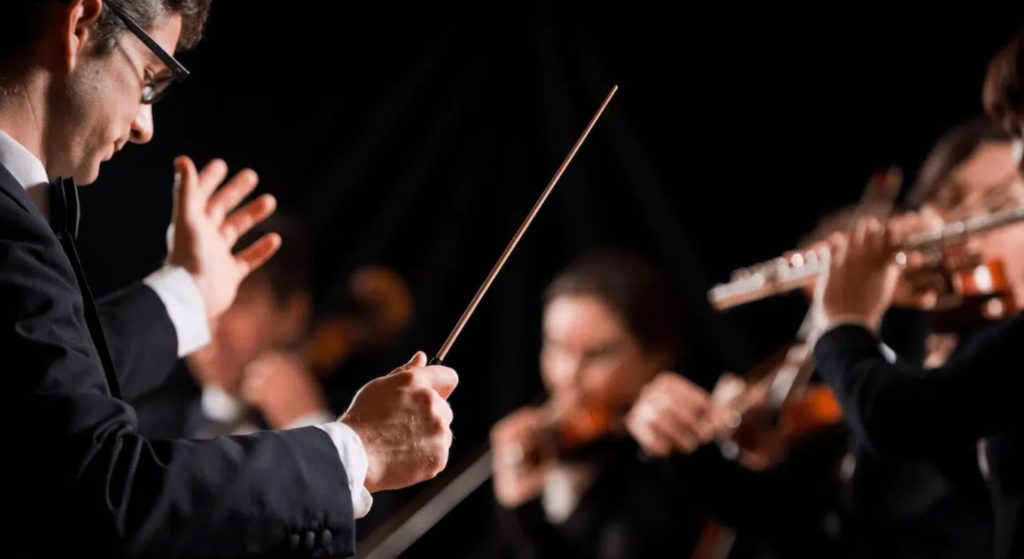
The entrepreneurial spirit is no longer the sole preserve of leaders; it now permeates every level of the organization. Tomorrow’s talents will all be intrapreneurs in the making, expecting companies to listen to their voices and encourage them to play new scores. Managers, it is up to you to become the conductors of this living orchestra that brings tomorrow’s organization to life.
The refrain of a “Boss-Free Generation”
A study conducted by The Boson Project for BNP Paribas, “La Grande invaZion,” is striking in revealing millennials’ distrust toward companies. Described as “harsh,” “complex,” “relentless,” “closed,” or even “a jungle,” the corporate world is perceived as a source of stress by 36% of them, while only 23% say they are attracted to it.
They have no intention of playing choirboys within a hierarchy whose authority they openly question. Failing to identify with rigid, siloed, pyramid-shaped models, they seek to create their own—47% aspire to start their own business. They no longer sing the praises of the “work–commute–sleep” routine and flee so-called “bullshit jobs” to pursue their dreams.
Ultra-connected, millennials have developed network-based ways of working through social media—tribes, communities—where authority, legitimacy, and power automatically granted to managers often ring false. And this generation is no longer alone in wanting to reinvent organizations, put an end to overly heavy pyramids, and break down silos that hinder the emergence of new ideas and projects.
The impact of digital
Digital technologies have largely flattened hierarchical structures and influenced the rise of new collaborative models, with shorter decision-making circuits involving employees of all ages and hierarchical levels. The world of tomorrow is being invented collectively—not only through technology, but through individuals who create new uses, new rules, and new synergies, without limits of time or space.
This growing community has no hesitation in changing the record if it is not heard. Talent flight is a reality: companies struggle to retain rare, highly sought-after profiles and face worrying shortages in certain roles.
The role of the manager
When they do not leave the company, employees may simply mute managers who are too slow to adapt to the internal revolution they are driving. Corporate hacking refers to employees’ ability to self-organize and work “under the radar” to push their projects forward, without necessarily seeking hierarchical approval. They quite simply “hack” management to move their projects ahead and shift the company’s boundaries.
If managers do not want to be part of the problem—but rather the solution—their role must be redefined. They must now restore meaning, embrace collective intention, foster a shared adventure, and cultivate the desire to build and create together in order to meet employee expectations. Supporting intrapreneurship is one powerful response, enabling managers to attract and retain talent while taking a frontline role in reinventing the company of tomorrow.
Managers: conductors of intrapreneurship
Why a conductor? Because a conductor is an essential part of the orchestra without playing an instrument—acting instead as a guide and facilitator who knows how to highlight each musician. Responsible for the collective, the conductor aims to create harmony within a system where everyone finds their place, rhythm, and role, becoming an inseparable part of a symbiotic whole.
The conductor allows musicians to interpret their own scores while remaining a steady pillar, transforming individual energies into a collective movement. The ultimate goal: to align individual aspirations while safeguarding the overall vision, creating a work performed together—one that could not exist without each contributor.
Michel Podolak himself, a former orchestra conductor, has drawn parallels between management and conducting. According to him, a manager must want to communicate, share, and discover complementarities. Above all, the manager knows where the ensemble is heading—the only one with a global vision—and is able to bring others along with commitment and passion.
From “boss” to “leader”
Just as conductors once embodied authority before evolving toward trust-based relationships, managers must shed their “boss” posture and performance-only objectives to gradually become talent enablers. This requires close relationships that help teams grow. Leadership is embodied, never decreed, and expressed through listening, trust, shared vision, benevolence, adaptability, and pleasure.
Managers must also grant autonomy and time for innovation, enabling employees to be proactive—just as a good musician needs the freedom to make a piece their own, offering a personal interpretation co-built with the conductor, who provides overall vision and deep knowledge of the composition. Managers patiently rehearse with their teams, valuing expertise and combining individual skills to elevate the final performance. Excelling above all at making others shine, they set the tempo so everyone can grow while staying true to the score.

What is the link with intrapreneurship?
Because the desire of employees to “play” is growing stronger. Without coordination, the ensemble risks becoming a frustrating cacophony—not only for participants, but also for the audience (intrapreneurs, employees, all organizational layers, and even external stakeholders).
Yet intrapreneurship represents a powerful and opportunity-rich turning point: it means every employee wants to become an active contributor to the company’s evolution. They are already raising their voices to drive change; now they must be given the opportunity to express themselves and play the symphony together.
Managers must therefore balance the soloist (high-potential individuals), diversity, and collective performance (group dynamics, cohesion, harmony) to transform dissonance into unity. Rehearsing means experimenting: managers must embrace new ways of working—test-and-learn, the right to fail—creating a true laboratory where new melodies can emerge.
As guardians of vertical structure, managers are the essential building block enabling organizations to also foster horizontality, creating new collaborative and cross-functional synergies.
The role of Human Resources
HR teams also play a critical role in driving change. They must be the instigators, embedding these evolutions into the company’s DNA, spreading this new culture, and helping managers transition toward open, collaborative, value-creating leadership. HR teams, if managers are the conductors, then you are the composers.
To conclude, let managers set the tempo—embodying structure while celebrating complexity. Dare to become empathetic managers who listen and unite to create alchemy. Intrapreneurship reveals the incredible potential of employees eager to invent tomorrow. Let us empower them to take action within a contributive, horizontal, fruitful, and harmonious approach. Only then will we give meaning to this community that is making noise to be heard—and guide it toward a harmony rich in purpose.
To learn more, read our article “The Survival Kit for Successfully Deploying an Intrapreneurship Program.”
CEO & Co-Founder

.png)