Yumana replaces fragmented tools and disconnected initiatives with a structured system to capture, validate, and scale HR best practices, without imposing one-size-fits-all templates.
Organizations using Yumana accelerate HR best practice replication by 6× and achieve up to 45% reuse of local initiatives.
This is what happens when HR collective intelligence becomes structured, measurable, and aligned with strategic people priorities.
replication rate
reuse of local initiatives
When engagement relies on isolated initiatives, momentum is difficult to sustain. It requires a structured environment where participation feels useful, visible, and valued over time.
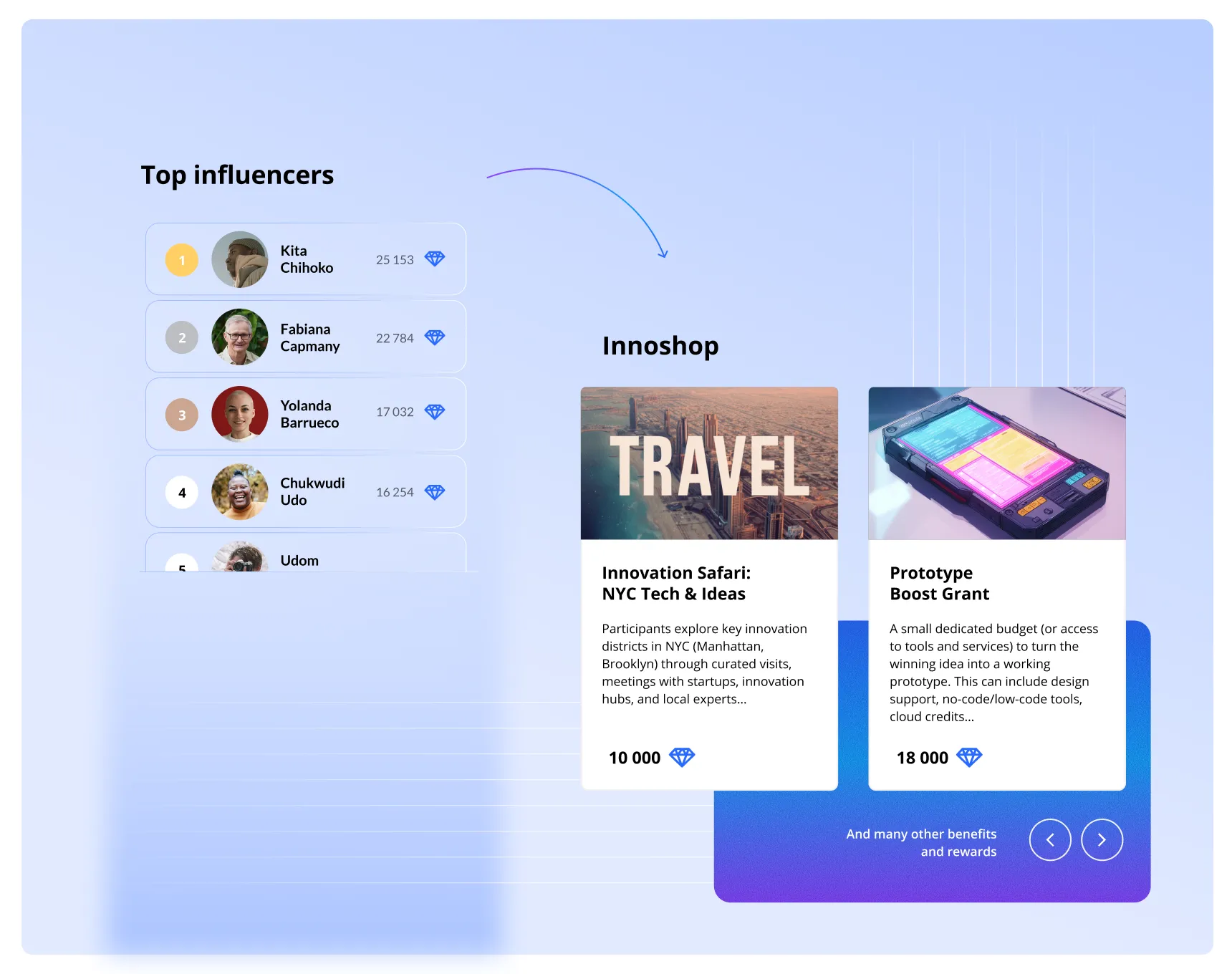
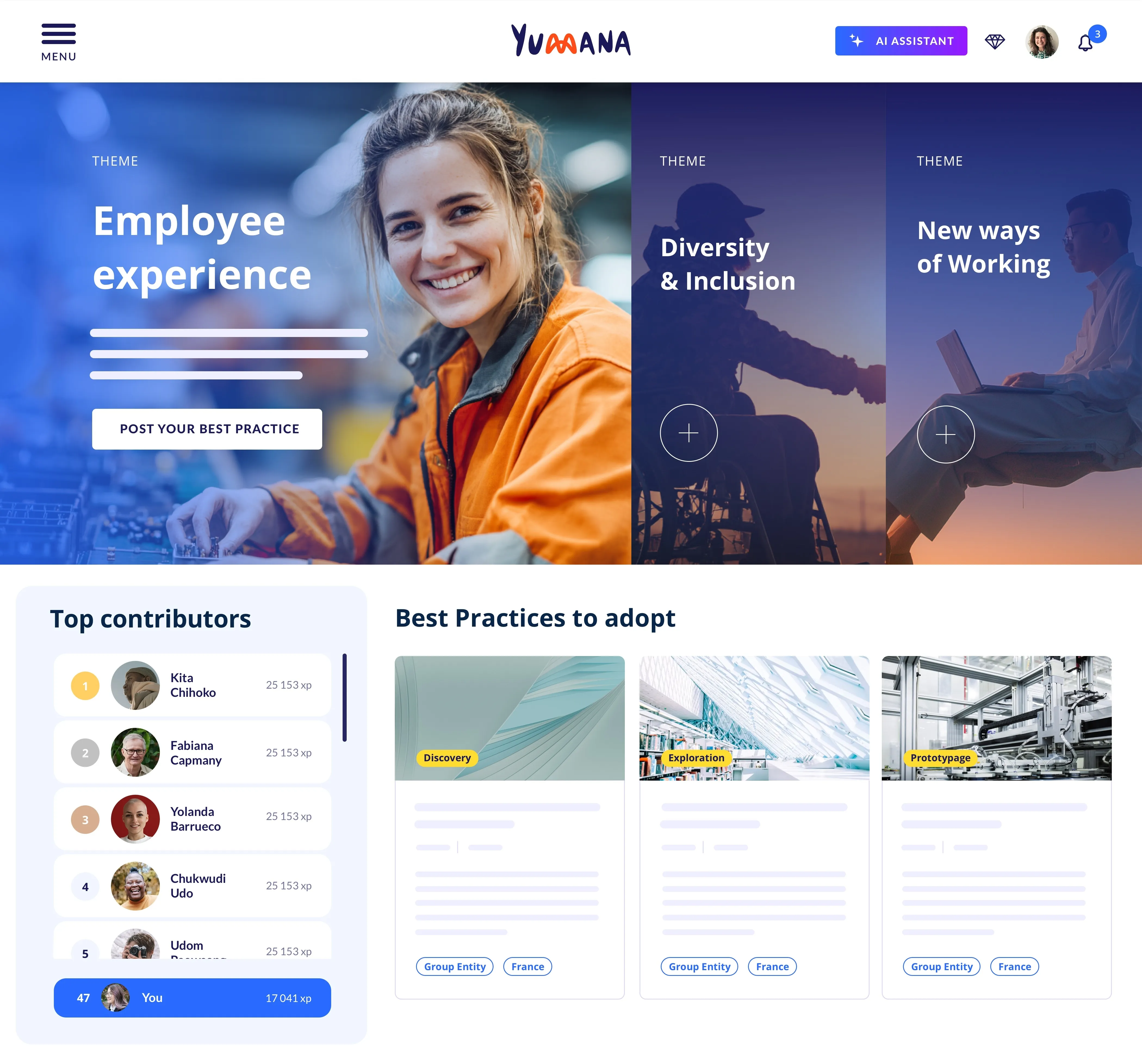
Yumana is built to support continuous engagement rather than episodic programs. Instead of launching isolated initiatives, HR leaders can rely on an ongoing experience that combines content, interaction, recognition, and feedback, keeping priority topics active and relevant throughout the year.
With Yumana, HR teams can:
Beyond features, long-term engagement is driven by a small number of proven motivational drivers. In practice, four factors consistently make the difference:
By embedding these engagement drivers into a single, structured platform, Yumana reduces reliance on constant relaunches or individual energy. Engagement becomes a natural result of clear mechanisms, shared learning, and visible impact.
Participation metrics are only a first signal. For HR Directors, success means knowing whether initiatives are actually adopted, reused, and delivering value overtime.
A collective intelligence approach makes it possible to move beyond activity-based metrics and focus on what truly scales across the organization. Instead of tracking attendance or views, HR leaders can monitor outcomes such as:
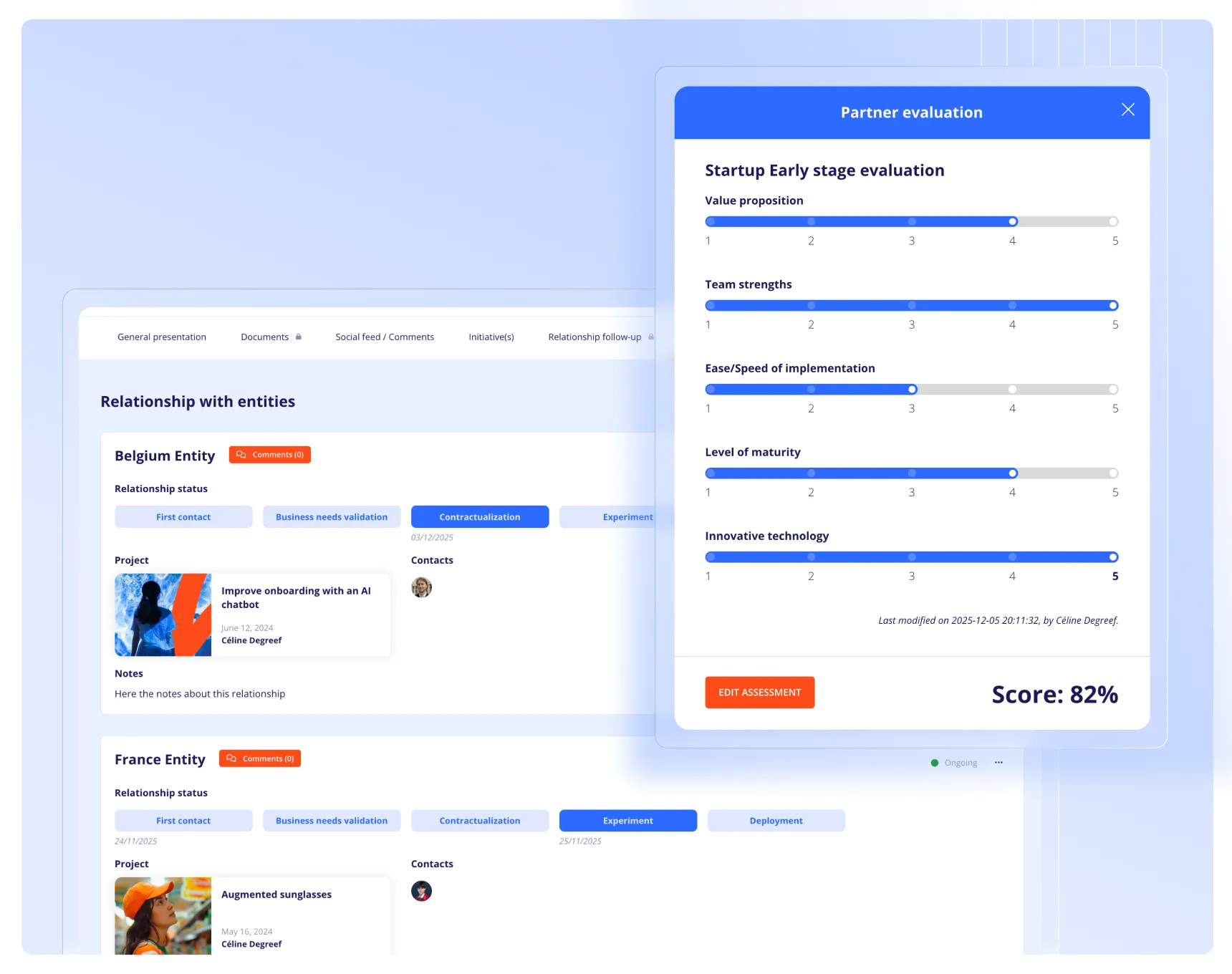
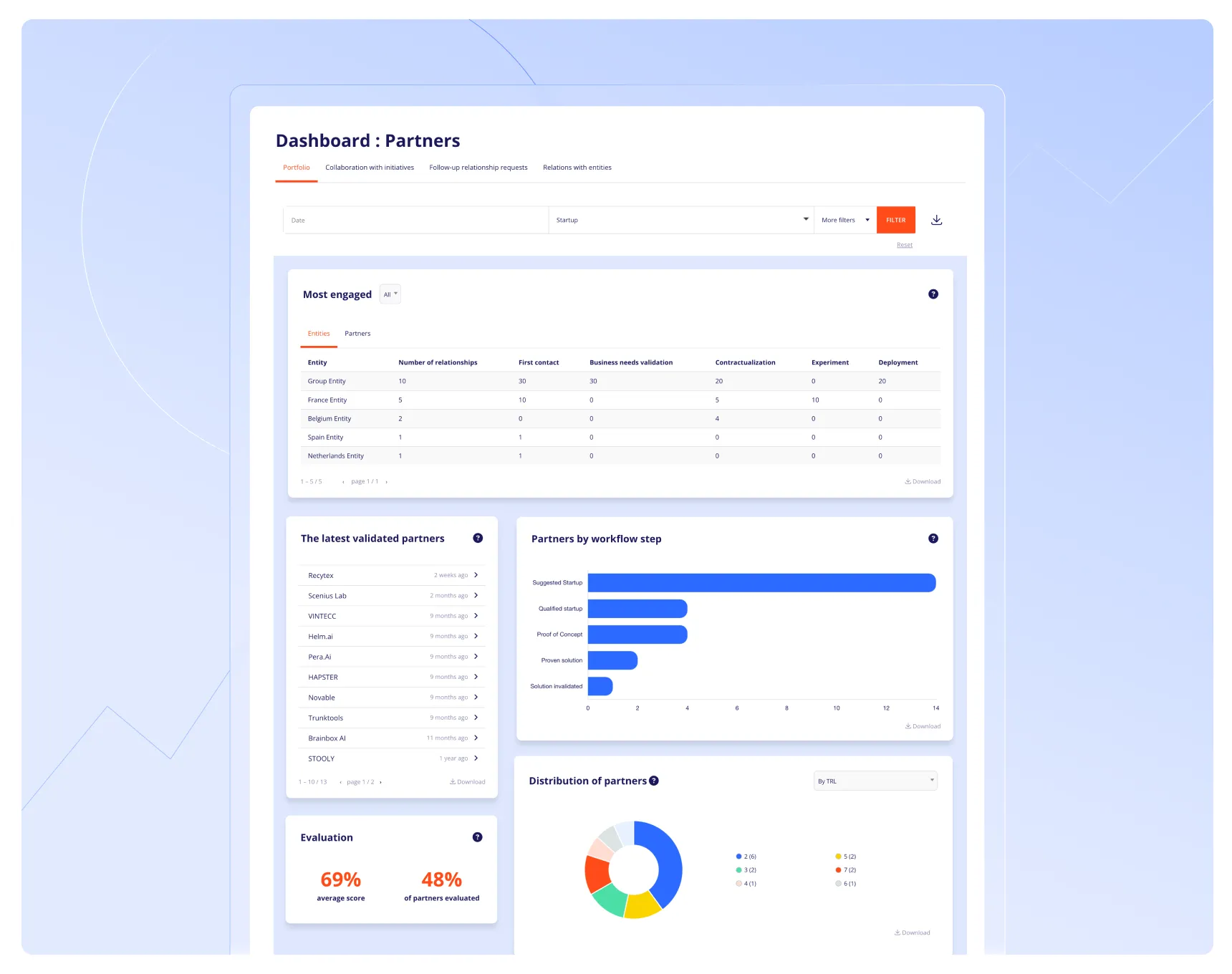
With Yumana, HR initiatives are documented, structured, and connected to measurable outcomes. Built-in dashboards provide real-time visibility into what scales, where practices are adopted, and how they contribute to people and business KPIs.
Yumana is designed to complement, not replace, your existing HR tools. It integrates seamlessly with commonly used platforms such as Microsoft 365, intranets, and BI tools, reducing friction for users and simplifying adoption.
For HR Directors, this means teams can access and contribute knowledge without changing their daily workflows, while data remains connected and usable across systems.
Yes. Yumana is designed for HR organizations operating across countries, regions, and cultures. The platform supports multilingual collaboration out of the box, allowing local HR teams to contribute in their own language while accessing practices shared globally.
For HR Directors, this means global consistency without sacrificing local relevance. Best practices can be shared, discovered, and reused across geographies, while reducing language barriers that often limit participation and knowledge transfer in international HR communities.
Yumana provides hands-on support throughout the entire rollout, well beyond platform setup. From the outset, our team works with HR leadership to define the objectives, governance model, and engagement approach that align with your HR priorities and organizational context.
During deployment, Yumana supports platform configuration, onboarding of HR teams, and activation of key contributors and champions across regions. This ensures the platform is not only launched, but actively used from day one.
After go-live, a dedicated Customer Success Manager partners with your HR team to monitor engagement, support adoption, and continuously optimize the program. Through regular check-ins, insights, and best-practice recommendations, Yumana helps HR leaders sustain momentum and progressively scale impact across the organization.
Security and compliance are built into Yumana’s architecture. The platform follows enterprise-grade security standards, supports role-based access control, and ensures that sensitive HR information is only accessible to authorized users.
Generic tools are designed to store information. Yumana is designed to activate, structure, and scale best practices. It combines engagement mechanisms, structured evaluation, AI-powered discovery, and impact measurement capabilities that generic platforms do not provide out of the box.